5jili The House Edge Explained
5jili The House Edge Explained: Understanding Your Odds in Online Gaming
Welcome to 5jili, your premier destination for thrilling online casino and sports betting experiences in the Philippines! As you dive into the exciting world of online gaming, it's crucial to understand a fundamental concept that influences your chances of winning: the house edge. Whether you're a seasoned player or new to the scene, grasping how the house edge works can significantly impact your gameplay and betting strategies. This article will demystify the house edge, comparing its implications across various casino games and betting scenarios, helping you make informed decisions and enhance your gaming journey with 5jili. Let's explore how this invisible force shapes your gaming adventure and how you can navigate it wisely.
Understanding the house edge is paramount for any serious player. It represents the casino's built-in advantage over the player, ensuring profitability for the establishment in the long run. At 5jili, we believe in transparent gaming, and empowering our players with knowledge is key to a responsible and enjoyable experience. By understanding the house edge, you can choose games with better odds, manage your bankroll more effectively, and ultimately, get more out of your time spent on our platform. From the spinning reels of slots to the strategic plays of blackjack and the dynamic world of sports betting, the house edge is always a factor. Let's delve deeper into what it means for you.
Table of Contents
- What is the House Edge?
- How the House Edge Works in Casino Games
- House Edge in Casino Games vs. Sports Betting
- Optimizing Your Play: Strategies to Mitigate the House Edge
- Choosing the Right Games: A 5jili Perspective
- Frequently Asked Questions
What is the House Edge?
The house edge, often expressed as a percentage, is the mathematical advantage that a casino or a bookmaker has over a player. It's the guaranteed profit margin for the operator over time, designed to ensure the casino remains profitable. For example, if a game has a 2% house edge, it means that for every ₱100 wagered, the casino expects to keep ₱2 in the long run. This doesn't mean you'll lose ₱2 for every ₱100 you bet in a single session; rather, it's an average calculated over millions of plays.
It's important to differentiate the house edge from the payout percentage. The payout percentage, or Return to Player (RTP), is the inverse of the house edge. If a slot game has a 96% RTP, its house edge is 4%. This 4% represents the theoretical amount the casino retains from all wagers placed on that specific game over an extended period. Understanding this concept is fundamental to making informed decisions when choosing which games to play on 5jili.
The house edge varies significantly from one game to another. Games of pure chance, like slots, often have a higher house edge compared to games requiring skill or strategy, such as blackjack or video poker. Even within the same game, different variations or specific bets can have varying house edges. Knowing these percentages allows players to gravitate towards games and bets that offer better odds, thereby maximizing their potential returns and extending their playtime.
How the House Edge Works in Casino Games
The house edge manifests differently across various casino games. Let's look at some popular examples available on 5jili:
Slots
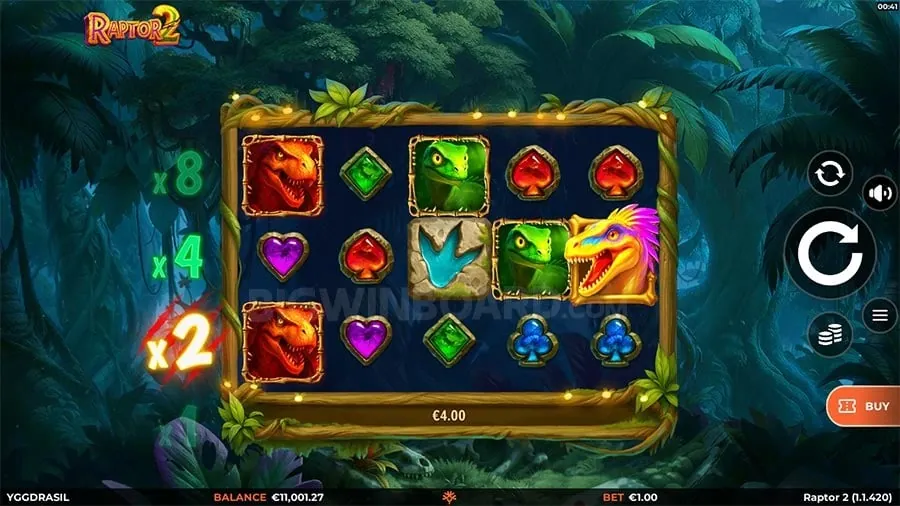
Slot machines are perhaps the most straightforward example. The house edge for slots is pre-programmed into the game's software, determining its Return to Player (RTP) percentage. A slot with a 96% RTP has a 4% house edge. This means that, on average, for every ₱100 wagered, the machine is designed to pay out ₱96, keeping ₱4 as profit for the casino. While individual spins are random and can result in big wins, the RTP ensures the casino's long-term profitability. Players can often find the RTP information within the game's rules or information section.
Blackjack
Blackjack is known for having one of the lowest house edges among casino games, often around 0.5% to 1% when played with optimal strategy. This low edge is due to the element of skill involved. Players make decisions (hit, stand, double down, split) that can influence the outcome of the hand. However, deviating from basic strategy will increase the house edge significantly. Understanding basic strategy is crucial for minimizing the house's advantage in blackjack.
Roulette
Roulette's house edge depends on the specific version of the game. European Roulette, with a single zero (0), has a house edge of approximately 2.7%. American Roulette, which features both a single zero (0) and a double zero (00), has a higher house edge of about 5.26%. This difference arises because the double zero adds another slot where the ball can land, increasing the house's advantage without changing the payout odds for other bets. Choosing European Roulette over American Roulette is a simple way to reduce the house edge you face.
Baccarat
Baccarat offers a relatively low house edge, especially on the Banker bet, which typically has an edge of around 1.06% (including the 5% commission on wins). The Player bet has an edge of about 1.24%, and the Tie bet has a much higher edge, often exceeding 14%. Therefore, betting on the Banker is generally considered the best strategy in baccarat.
House Edge in Casino Games vs. Sports Betting
While the concept of a house edge (or margin) exists in both casino games and sports betting, its application and how players encounter it differ significantly.
Casino Games: Fixed House Edge
In casino games, the house edge is typically fixed and determined by the rules and payouts of the game itself. As discussed, it's a mathematical certainty over the long run. For example, a particular slot machine will always have the same RTP, and the rules of blackjack or roulette dictate their inherent house edge. Players can choose games with lower house edges and employ strategies (where applicable) to minimize its impact, but they cannot directly influence the edge itself.
Sports Betting: The Vigorish (Vig) or Juice